
Kumawu Constituency
A land of heritage, resilience and promise in the heart of Ashanti
Constituency at a Glance
History & Origin
The Name “Kumawu”
The name Kumawu carries one of the most storied origins in all of Ashanti. According to oral tradition, the legendary priest Okomfo Anokye planted sacred Kum trees at several sites to determine where the capital of the Ashanti Kingdom would stand.
One tree was planted at Apemso-Bankofo. Unlike the tree at Kwaaman that grew tall — becoming Kumasi — the tree at this site withered and died. The people said: “Kum awu” — “the Kum tree has died.” From this utterance, the settlement took its name: Kumawu.
This origin story anchors Kumawu permanently to the founding moment of the Asante Confederacy in the late 17th century, making it one of the oldest continuously settled towns in the Ashanti region.
Kumawu & the Founding of Ashanti
Kumawu was one of the original chiefdoms that united under Osei Tutu I and Okomfo Anokye to form the Asante Confederacy. The Kumawu stool is one of the Amantuo Num — the five paramount stools that helped found the Asante union.
This distinction places Kumawu among the most historically significant traditional states in the entire Ashanti Kingdom, and it remains a point of deep pride for the people to this day.
Proto-Asante Expansion
A proto-Asante population expands northward from Asantemanso, founding new towns including Kumawu, Kumase, Dwaben, and Kokofu in the forest zone.
Birth of the Asante Confederacy
King Osei Tutu I and Okomfo Anokye unite Akan chiefdoms, including Kumawu, under the Golden Stool. Kumawu becomes one of the five founding Amantuo Num stools of the Asante Kingdom.
Ashanti Empire at its Height
The Ashanti Empire expands into a major West African power. Kumawu, as a paramount state, contributes warriors, counsel, and resources to the empire's strength and administration.
British Colonisation
Following the Anglo-Ashanti Wars, the Ashanti Kingdom is incorporated into the British Gold Coast Colony in 1902. Traditional governance continues, but under colonial oversight.
Independence of Ghana
Ghana gains independence under Kwame Nkrumah. Kumawu becomes part of the new republic while maintaining its traditional chieftaincy structures within the constitutional framework.
Chieftaincy Transition
The passing of Barima Asumadu Sakyi II triggers a succession process. Following arbitration by the Asanteman Council, a new Omanhene is installed — affirming Kumawu's adherence to Ashanti customs.
Kumawu Constituency Today
Under the representation of Hon. Ernest Yaw Anim, the constituency invests in infrastructure, youth empowerment, healthcare, education and agricultural modernisation.
Chieftaincy & Traditional Leadership
Kumawu is governed by the Kodua Stool, one of the most prestigious traditional stools in the Ashanti Region. The Kumawuhene (Omanhene of Kumawu) holds paramount chief status and swears allegiance to the Asantehene at Manhyia Palace.
The Royal Structure
Kumawuhene (Omanhene) — Paramount chief of the Kumawu Traditional Area, occupying the Kodua Stool.
Queen Mother (Ohemaa) — Holds the power of nomination; any candidate for the stool must be presented by the Ohemaa, following the principles of Asante custom.
Divisional Chiefs — Including the Krontihene, Aduanahene, Nsafohene and others, each with defined ceremonial and administrative roles in the traditional council.
The Amantuo Num Legacy
Kumawu's membership in the Amantuo Num — the five paramount stools that united to accept the Golden Stool — is the most significant mark of its standing within Asanteman.
Chieftaincy disputes are adjudicated by the Asanteman Arbitration Court under the Asantehene, ensuring adherence to centuries-old customary law. The court's landmark 2013 ruling resolved a six-year dispute and set the stage for peaceful succession.
Notable Omanhene of Kumawu
| Name / Title | Era / Notes |
|---|---|
| Early Kumawuhene (oral tradition) | Pre-confederacy founders of the Kumawu stool, referenced in the founding of the Amantuo Num |
| Kumawuhene (late 17th century) | Swore allegiance to Osei Tutu I and the Golden Stool at the founding of the Asante Confederacy |
| Barima Asumadu Sakyi II | Reigned until his passing on 11 July 2007; his death triggered the succession and arbitration process of 2007–2013 |
| Current Omanhene (post-2013) | Installed following the Asanteman Arbitration Court ruling in August 2013, affirming the Kodua Stool succession in accordance with Asante custom |
Geography & Location
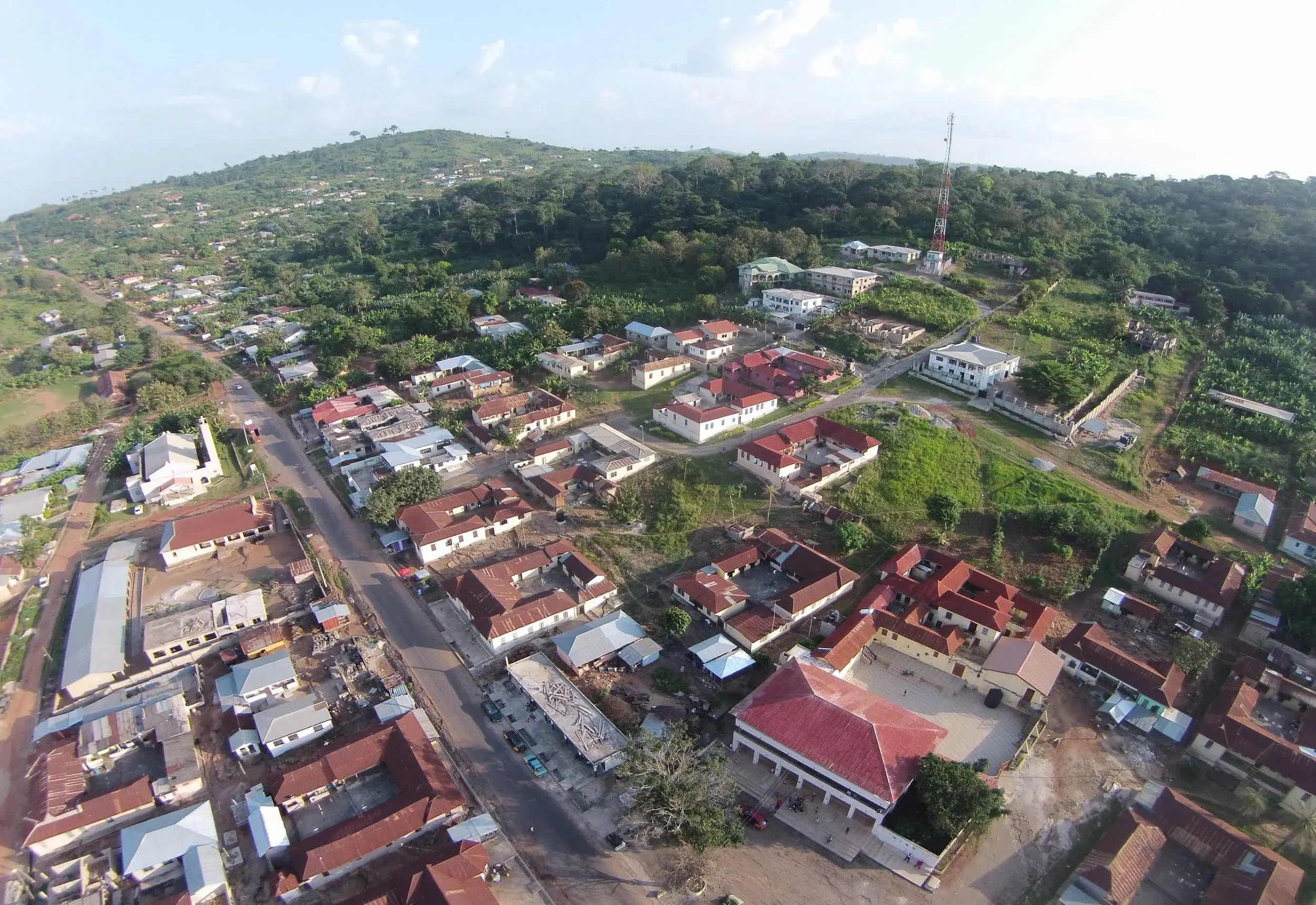
Kumawu is located in the Sekyere Kumawu District, one of the richest agrarian districts in the Ashanti Region. It lies within the forest belt of south-central Ghana, characterised by rolling hills, thick vegetation, and fertile farmland.
The town of Kumawu serves as the district capital and is the administrative and traditional hub of the constituency. Its forest environment supports cocoa cultivation alongside food crop farming and small-scale industry.
Economy & Livelihoods
Cash crops: Cocoa (the primary export crop), palm oil, cashew.
Food crops: Maize, yam, plantain, cassava, garden eggs.
Livestock: Poultry, goats, pigs and cattle farming supplement household income.
Small-scale trading, artisanry, and emerging youth apprenticeship enterprises are growing sectors supported by Hon. Anim's development agenda.
Communities of Kumawu Constituency
Culture, Heritage & Traditions
Akan & Ashanti Cultural Identity
The people of Kumawu are Akan, belonging to the Ashanti sub-group — known worldwide for their rich cultural traditions, the intricate Kente cloth, the philosophical Adinkra symbols, and a sophisticated system of oral history.
The Twi language is the tongue of Kumawu. Cultural life is organised around extended families, clan identity, respect for elders, and community solidarity expressed through funerals, festivals, and public gatherings.
Spiritual & Ancestral Traditions
Akan spirituality centres on reverence for ancestors and belief in Nyame (the Supreme Being). The sacred stool connects the living to the divine and to ancestral lineages. Ritual practices, libation, and the honouring of departed chiefs remain central to Kumawu's traditional identity.
Historical Archives & Records
Kumawu's chieftaincy genealogy has been formally documented in academic and archival sources, including Captain Rattray's Law and Constitution of Ashanti, which contains a detailed genealogy of Chiefs and Queenmothers of Kumawu.
The Manhyia Archives in Kumasi hold records of Kumawu's interactions with the Asanteman Council dating back generations.
Notable Sons & Daughters
Kumawu has produced remarkable Ghanaians who have served the nation at the highest levels. Among them:
Dr. Kwabena Duffour — Former Minister of Finance and Economic Planning of Ghana.
Mr B.A. Mensah — Celebrated late Ghanaian industrialist.
Hon. Anim’s Commitment to Kumawu
Kumawu’s history is one of resilience, honour, and pride. As Member of Parliament, my duty is to carry that legacy forward — investing in quality infrastructure, expanding access to education and healthcare, empowering our youth with skills and opportunity, modernising agriculture for our farmers, and ensuring that every community in this constituency shares in the progress of our nation. We honour our ancestors by building a better Kumawu for every generation to come.
— Hon. Ernest Yaw Anim, MP for Kumawu